

Research and Safety
On this page:
Safety & Participation · Our Approach · Research · Scope of Practice · References
Thoughtful. Adaptive.
Evidence-Informed.
Cancer Care Yoga Collective provides supportive yoga and mind-body programming for people living with and beyond cancer.
Our approach is informed by research in cancer survivorship, exercise oncology, cancer rehabilitation, yoga and mind-body interventions, and psychosocial care. We translate that research into accessible practices that prioritize individual needs, autonomy, and safety.
Yoga is not a treatment for cancer. Our programs are designed to complement, but not replace, oncology care, rehabilitation, physical therapy, mental health care, or other medical services.
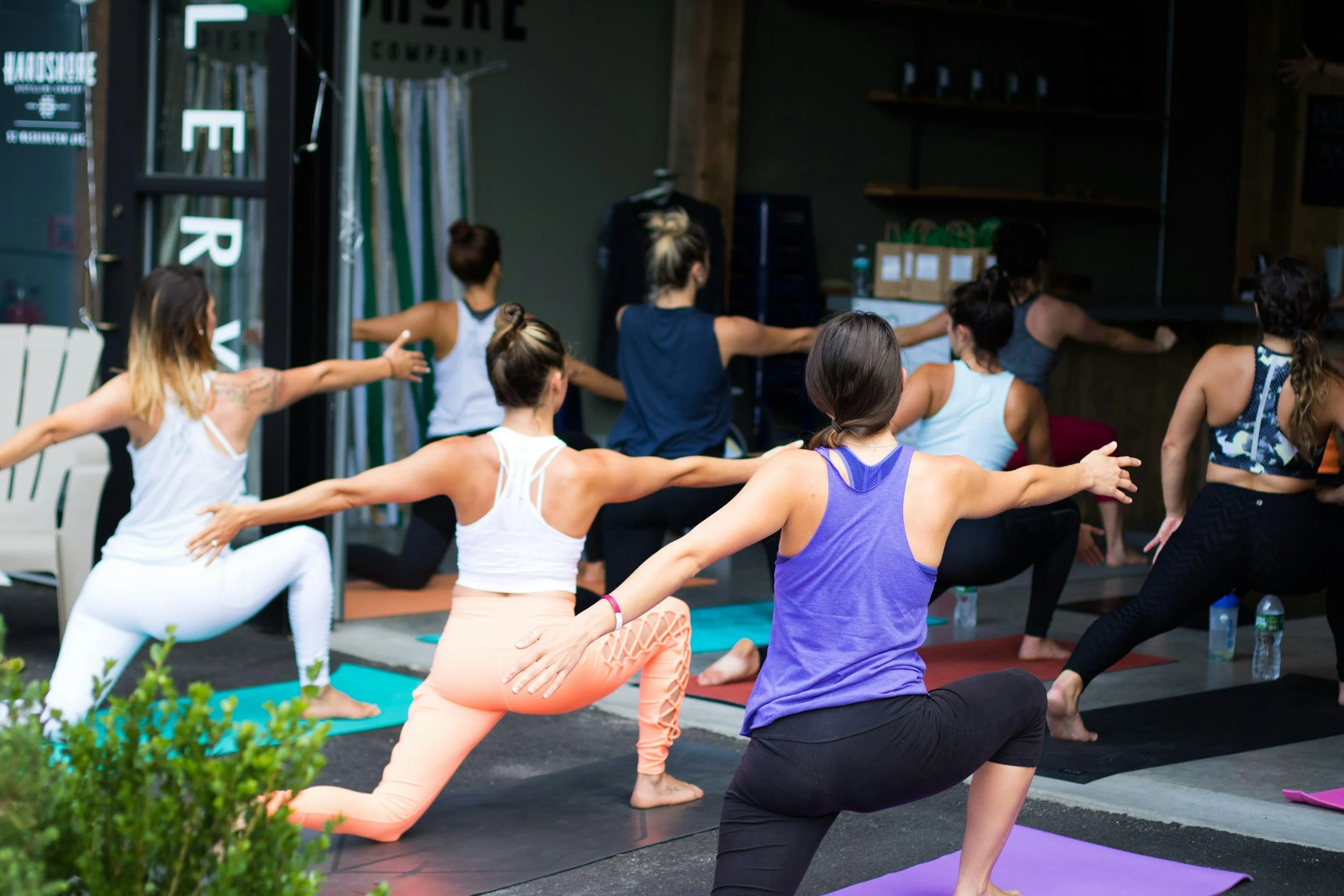
Your Safety Comes First
Cancer and cancer treatment affect every person differently. A practice that feels appropriate for one person may not be appropriate for another. Our programs are designed around the understanding that energy, strength, mobility, balance, symptoms, and treatment status can change from day to day.
You are always invited to:
Modify or skip any practice
Rest at any time
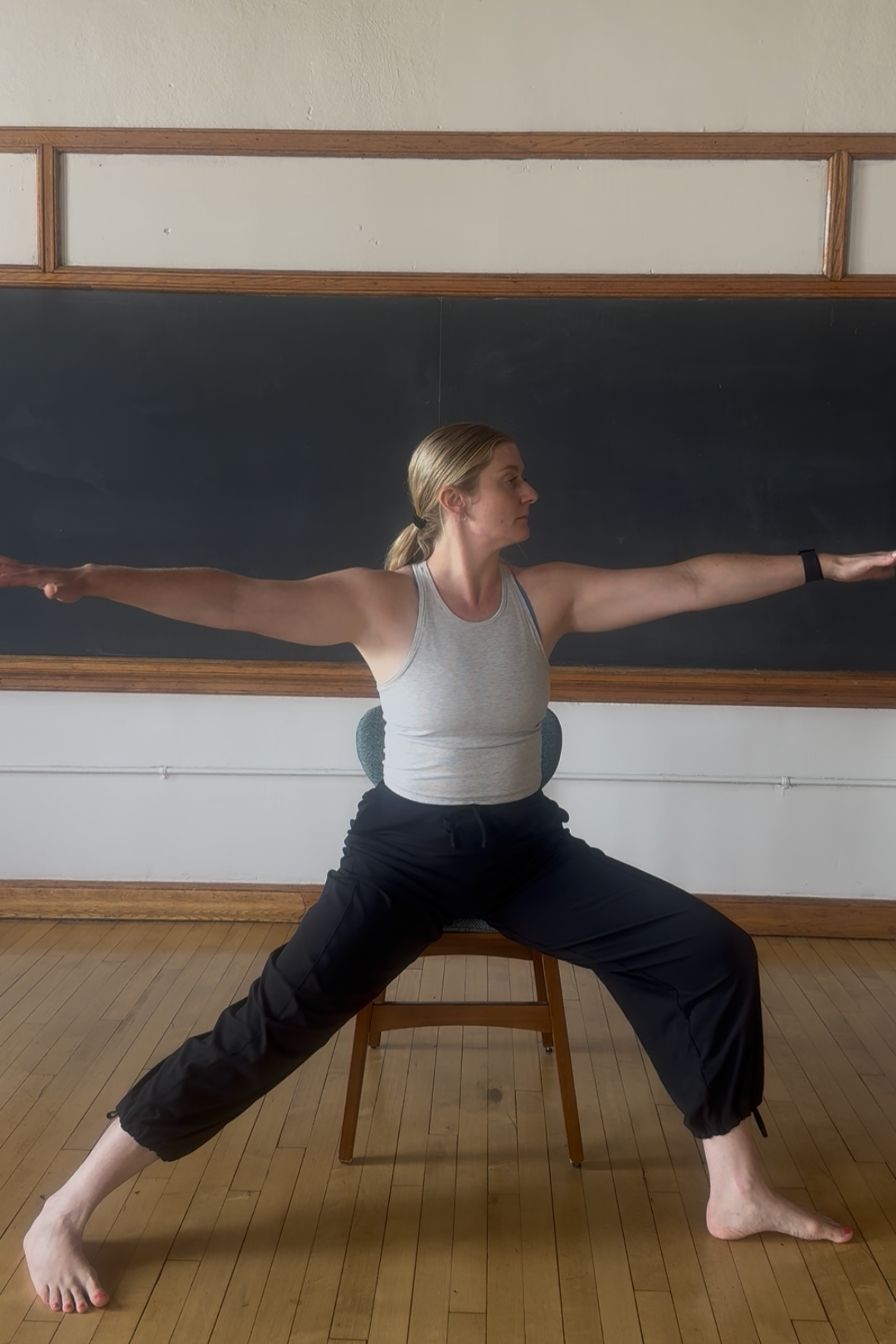
Use a chair or other support
Choose a less physically demanding option
Participate without sharing personal information
Stop a practice that does not feel right
Ask questions about modifications
You never have to push through pain, fatigue, fear, or discomfort to participate.
Our Approach
There is no single “right” way to practice during cancer treatment or survivorship.
Sessions may include:
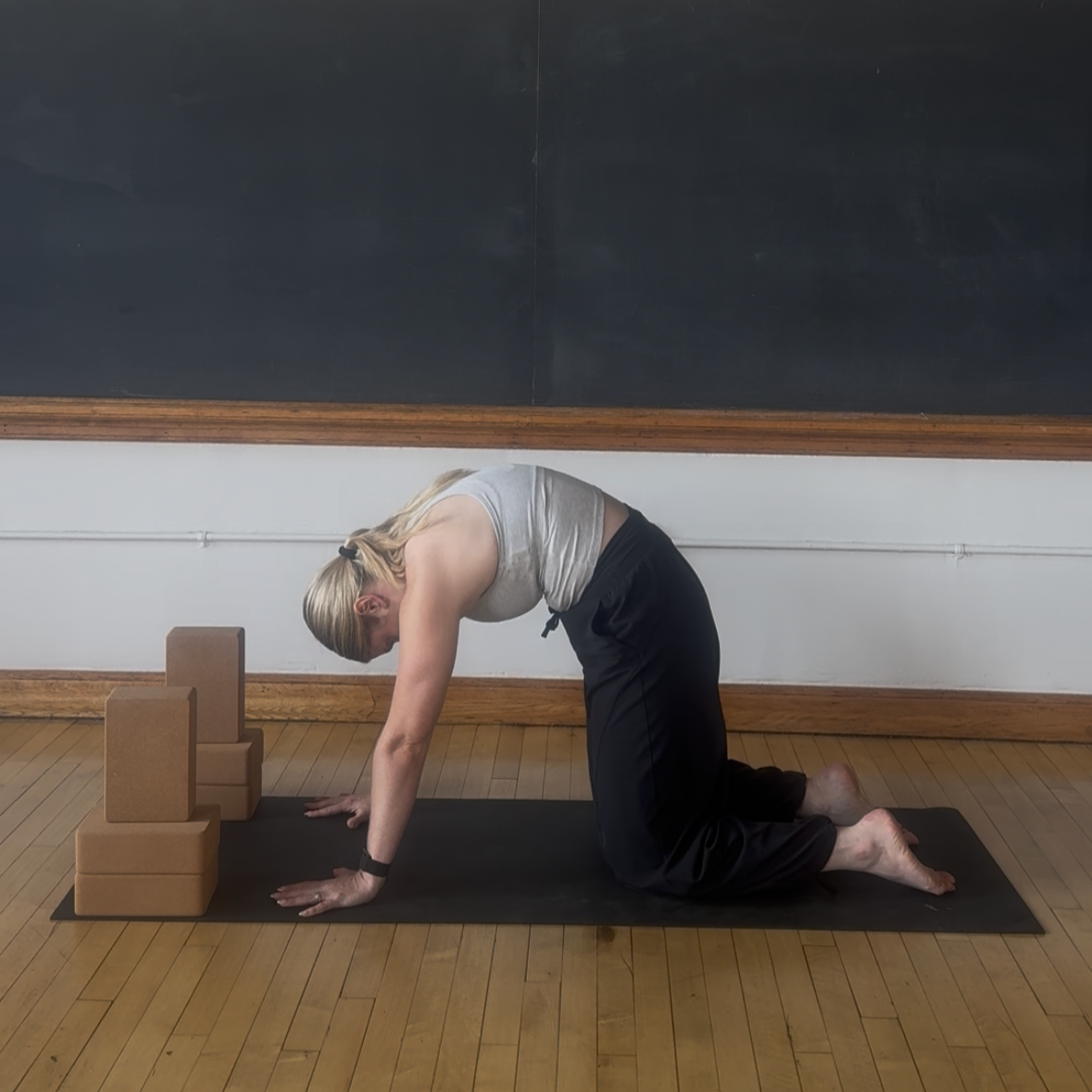
Gentle, adaptive movement
Mobility and range-of-motion practices
Supported strength building
Restorative postures
Breath awareness
Meditation
Relaxation practices
Guided reflection
Optional peer connection
Practices are offered with options and modifications. Participants are encouraged to work within their own current capacity rather than toward a predetermined physical goal.
What “Medically Informed” Means
“Medically informed” means that our programming is developed with an understanding of common cancer-related experiences and treatment considerations, including:
Fatigue and fluctuating energy
Deconditioning and changes in physical capacity
Neuropathy and altered sensation
Changes in balance and fall risk
Surgical recovery and changes in range of motion
Lymphedema-related considerations
Bone health considerations
Treatment-related symptoms and limitations
The emotional and psychological effects of cancer
We use this knowledge to inform how practices are selected, taught, modified, and offered.
We do not diagnose, treat, or provide medical advice.
Before You Begin
Before participating, we ask participants to provide information about their current health and treatment experience so that we can better understand their needs and identify appropriate modifications. Depending on an individual’s circumstances, we may recommend discussing participation with their healthcare team before beginning.
Medical consultation may be particularly appropriate following:
Recent surgery or procedures
A new cancer diagnosis or treatment
Significant changes in symptoms
Severe or unexplained fatigue
New or worsening pain
Significant balance or mobility concerns
Bone involvement or fracture risk
Acute illness or infection
Other complex or changing medical circumstances
You know your body and health history best. You should always follow the guidance of your oncology and medical care team.
During the Program
Our teaching prioritizes:
-
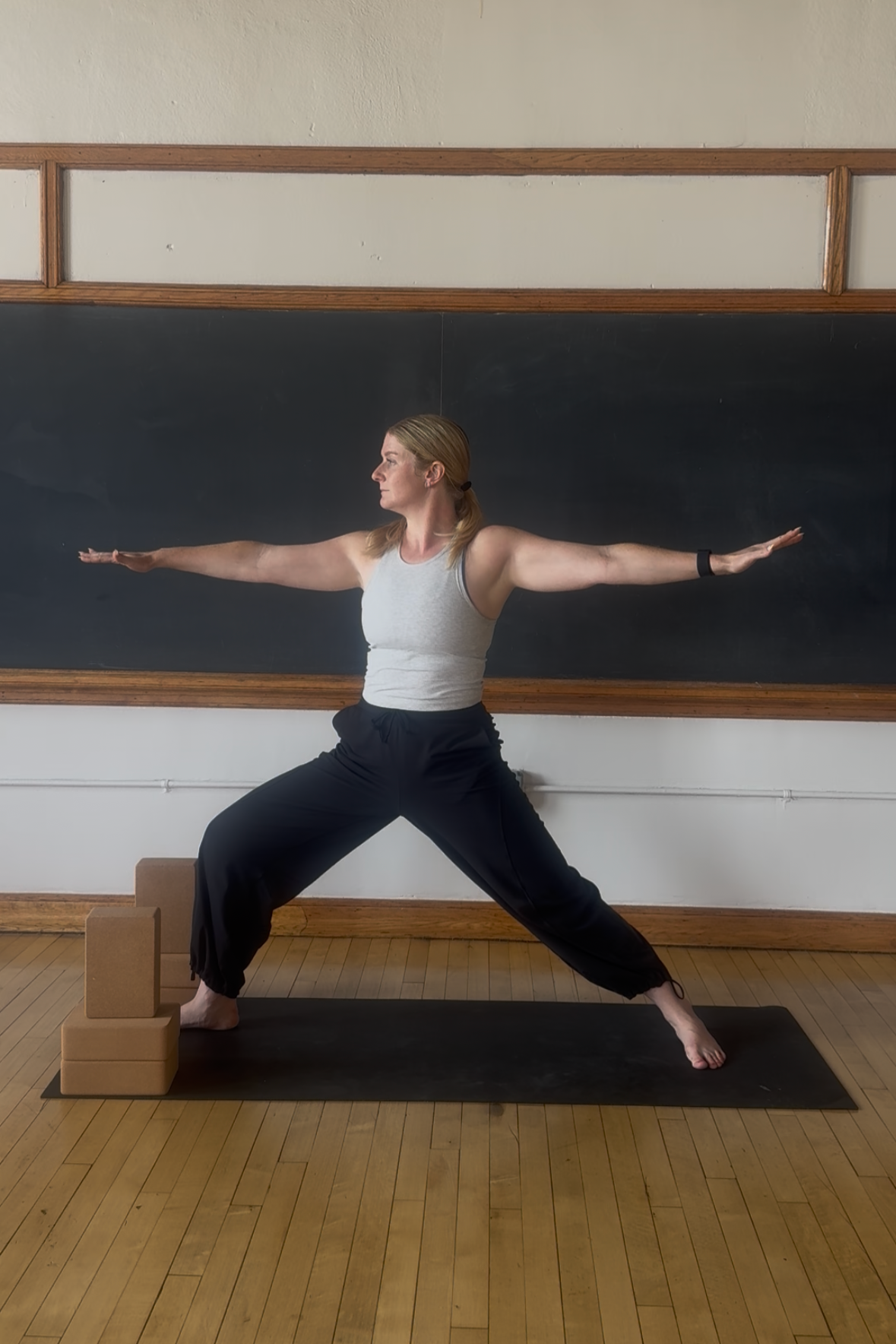
Participants are offered options rather than directed to perform a single version of a practice
-
Rest and reduced participation are valid and encouraged at all times.
-
Practices may be modified based on energy, mobility, symptoms, treatment status, and individual needs.
-
Hands-on adjustments are not used without explicit consent. Participants may change their consent at any time.
-
Participants are not required to disclose their diagnosis, treatment history, or personal experiences.
-
Facilitated group reflection is not psychotherapy, medical treatment, or a replacement for professional mental health care.
Emotional and Community Support
Cancer can affect more than the physical body. People may experience changes in identity, independence, body confidence, relationships, and connection with others.
Our programs may include optional opportunities for reflection and peer connection.
We establish group agreements that support:
Confidentiality
Respect
Choice
Non-judgment
The right to pass
Respect for different experiences and perspectives
Participants are never required to share.
Our group programs are not group therapy. When a participant may benefit from additional mental health or clinical support, we encourage connection with appropriately licensed healthcare professionals.
Research
-
Cancer survivorship extends beyond the completion of active treatment. Survivors may experience ongoing physical, psychological, social, and practical effects of cancer and its treatment.
National survivorship standards emphasize the importance of addressing these needs, supporting healthy behaviors and physical activity, coordinating supportive services, and evaluating outcomes that matter to patients, including quality of life and function.
Our approach is designed within this broader survivorship framework.
-
Research and clinical guidance support appropriately adapted physical activity for many people living with and beyond cancer.
Exercise oncology research has identified potential benefits related to outcomes including:
Cancer-related fatigue
Anxiety and depressive symptoms
Physical function
Quality of life
Overall well-being
Because cancer and its treatments affect individuals differently, physical activity should be adapted to a person’s treatment status, symptoms, functional capacity, medical history, and goals.
This informs our emphasis on individualized movement, pacing, modifications, and rest.
-
Research on yoga in cancer care is promising but continues to evolve.
Studies have identified potential benefits associated with yoga-based interventions for outcomes such as cancer-related fatigue, anxiety, psychological distress, sleep, and quality of life in some cancer populations.
However, research varies significantly in cancer type, treatment status, yoga intervention, duration, and outcome measures. Findings are not uniformly consistent, and further research is needed.
We therefore do not present yoga as a treatment for cancer or as a guaranteed solution for specific symptoms.
Instead, yoga is offered as one complementary approach to movement, rest, breath awareness, mindfulness, and connection.
-
Mindfulness-based interventions have been studied in people living with cancer and have demonstrated potential benefits for psychological distress, anxiety, depression, and quality of life.
Our programs incorporate meditation and breath awareness as optional practices intended to support:
Relaxation
Present moment awareness
Self-observation
Coping
A sense of connection with the body
These practices are offered as options. Participants may modify or opt out at any time.
-
Social and emotional needs are important components of comprehensive survivorship care.
A cancer diagnosis and treatment can contribute to isolation and changes in a person’s relationship with their body and community.
Our facilitated group format creates opportunities for connection and reflection without requiring participants to disclose personal information.
We believe that community can be supportive, but we do not present peer connection as a substitute for clinical mental health care.
How We Apply the Evidence
Research informs our program design. It does not replace individualized clinical judgment.
We aim to:
Apply evidence thoughtfully rather than make exaggerated claims
Adapt practices to individual needs and changing circumstances
Respect the boundaries of our scope of practice
Encourage communication with healthcare teams when appropriate
Continue learning as research and survivorship care evolve
Evaluate participant experience and outcomes as our programming develops
Our goal is not to suggest that yoga can do everything.
Our goal is to offer one carefully designed, accessible, and compassionate supportive care resource for people living with and beyond cancer.
Our Scope of Practice
Cancer Care Yoga Collective is a yoga-based supportive wellness program.
We do not:
Diagnose medical conditions
Treat or cure cancer
Prescribe or modify medical treatment
Provide medical advice
Replace oncology care
Replace physical therapy or cancer rehabilitation
Provide psychotherapy or mental health treatment
Guarantee specific health outcomes
Our role is to provide education and supportive practices within the scope of our training and professional qualifications.
When needs fall outside that scope, we encourage participants to seek appropriate medical, rehabilitation, or mental health care.
Selected Research & References
The references below represent selected sources that inform our approach; they are not intended to represent an exhaustive review of the literature.
Cancer Survivorship and Supportive Care
National Cancer Institute. National Standards for Cancer Survivorship Care.
Physical Activity and Exercise Oncology
National Cancer Institute. Physical Activity and Cancer.
Yoga and Cancer
Mindfulness and Mind-Body Interventions